




why black and white Photography Never Dates
Published 19th June 2024 | London, England

In a world saturated with colour, black and white photography still feels remarkably powerful.
Despite endless advances in digital technology, editing tools and visual trends, monochrome imagery continues to hold a unique emotional and artistic presence across fashion, cinema, publishing and contemporary culture. Some of the most memorable portraits, fashion campaigns and documentary images ever created exist entirely without colour.
Part of the reason black and white photography remains so enduring is because it strips imagery back to its essentials. Light, shadow, texture, composition and emotion become the focus rather than distraction. The result often feels more intimate, cinematic and timeless than colour photography alone. Across fashion and visual storytelling, black and white imagery continues influencing photographers, filmmakers and creative directors because it communicates atmosphere and emotion with extraordinary clarity. Even now, decades after colour photography became dominant, monochrome images still feel modern.
Black And White Photography Simplifies Emotion
One of the greatest strengths of black and white photography is its ability to simplify visual information.
Colour naturally attracts attention first. In monochrome imagery, however, viewers focus instead on expression, movement, composition and emotional tone. Faces feel more expressive. Shadows become more dramatic. Textures appear richer and more tactile. This simplicity creates emotional depth.
Without colour competing for attention, photographs often feel more psychologically direct. The viewer notices mood before detail. Light becomes storytelling itself. This is one reason black and white portraiture remains so influential within fashion, cinema and documentary photography. Monochrome imagery often feels emotionally honest in ways highly saturated colour photography sometimes does not.
Timeless Photography Style
Black and white photography also avoids becoming tied too strongly to one particular era.
Colour trends change constantly. Certain tones, editing styles and visual palettes quickly become associated with specific decades or digital aesthetics. Black and white imagery largely escapes that problem because it exists outside contemporary colour trends entirely. This creates a timeless photography style that feels less vulnerable to dating over time.
Many iconic fashion photographs from the 1950s, 1980s or early 2000s still feel visually relevant today precisely because monochrome imagery removes obvious trend markers. The focus remains on silhouette, expression, styling and atmosphere rather than temporary visual effects. Fashion photography especially benefits from this timeless quality.
Fashion And Black And White Photography
Fashion has always maintained a close relationship with black and white imagery. Some of the most influential fashion photographers including Peter Lindbergh, Herb Ritts and Richard Avedon built entire visual languages around monochrome photography. Their work shaped how audiences understood beauty, movement and elegance for generations.
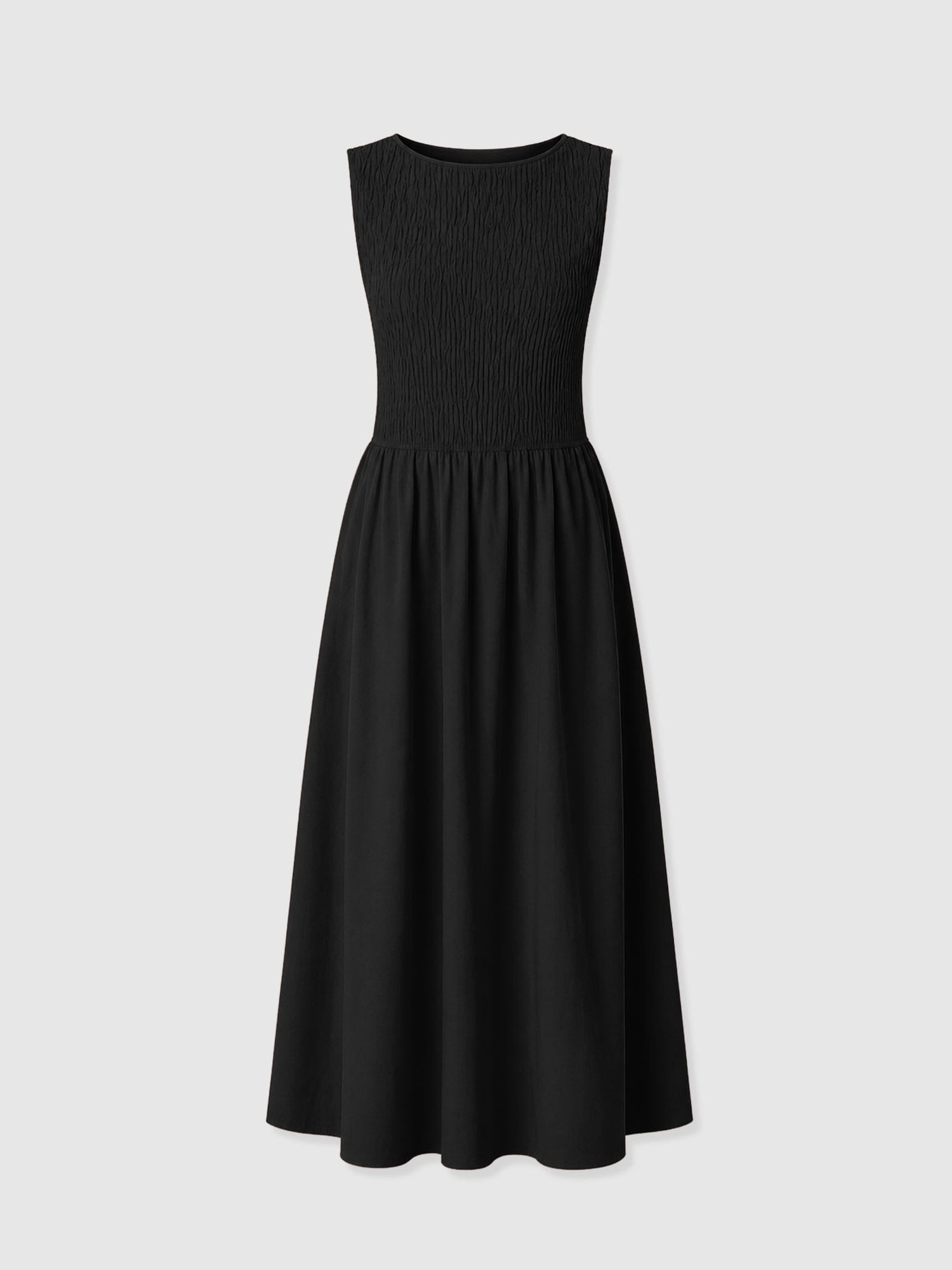
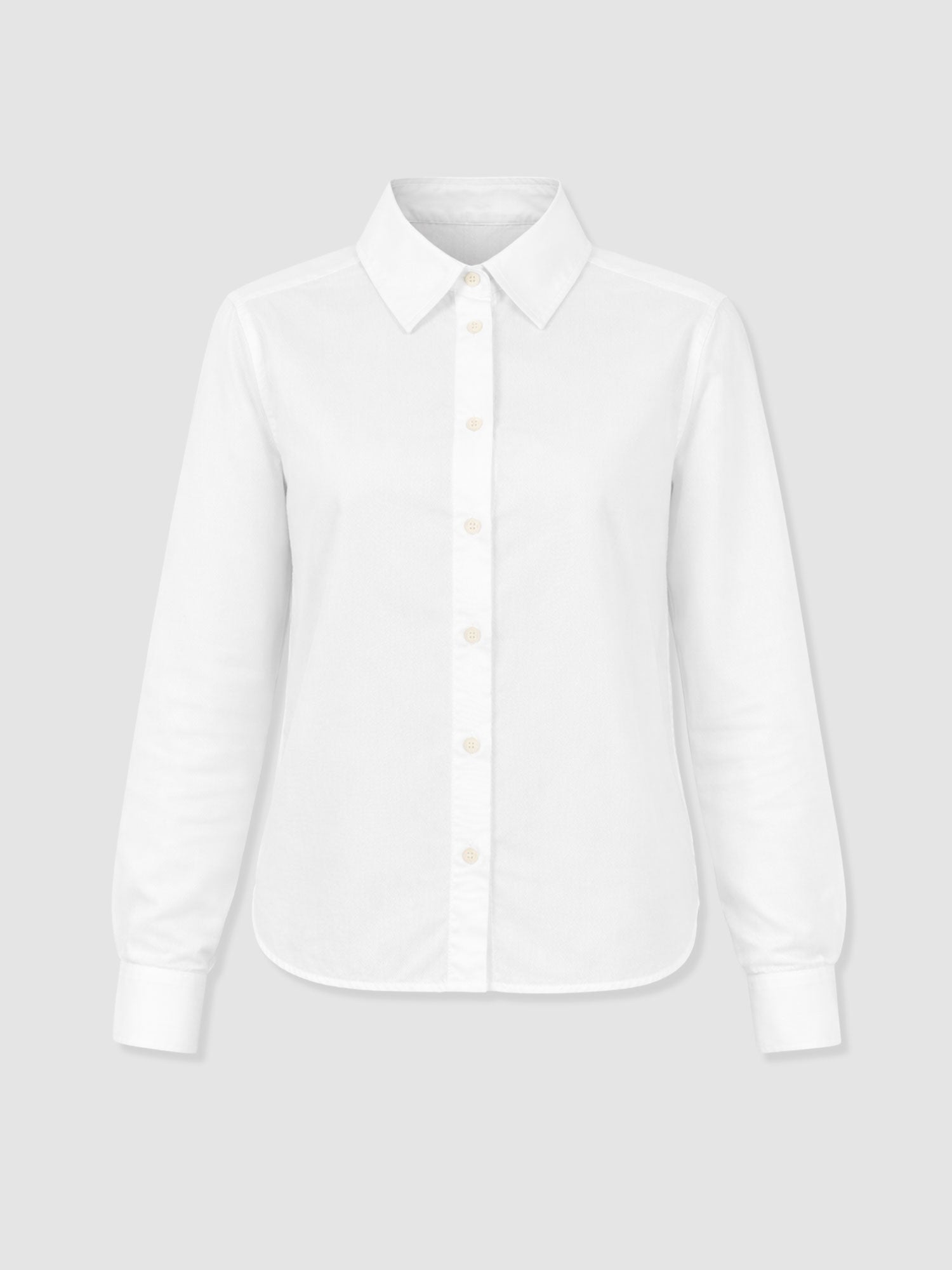
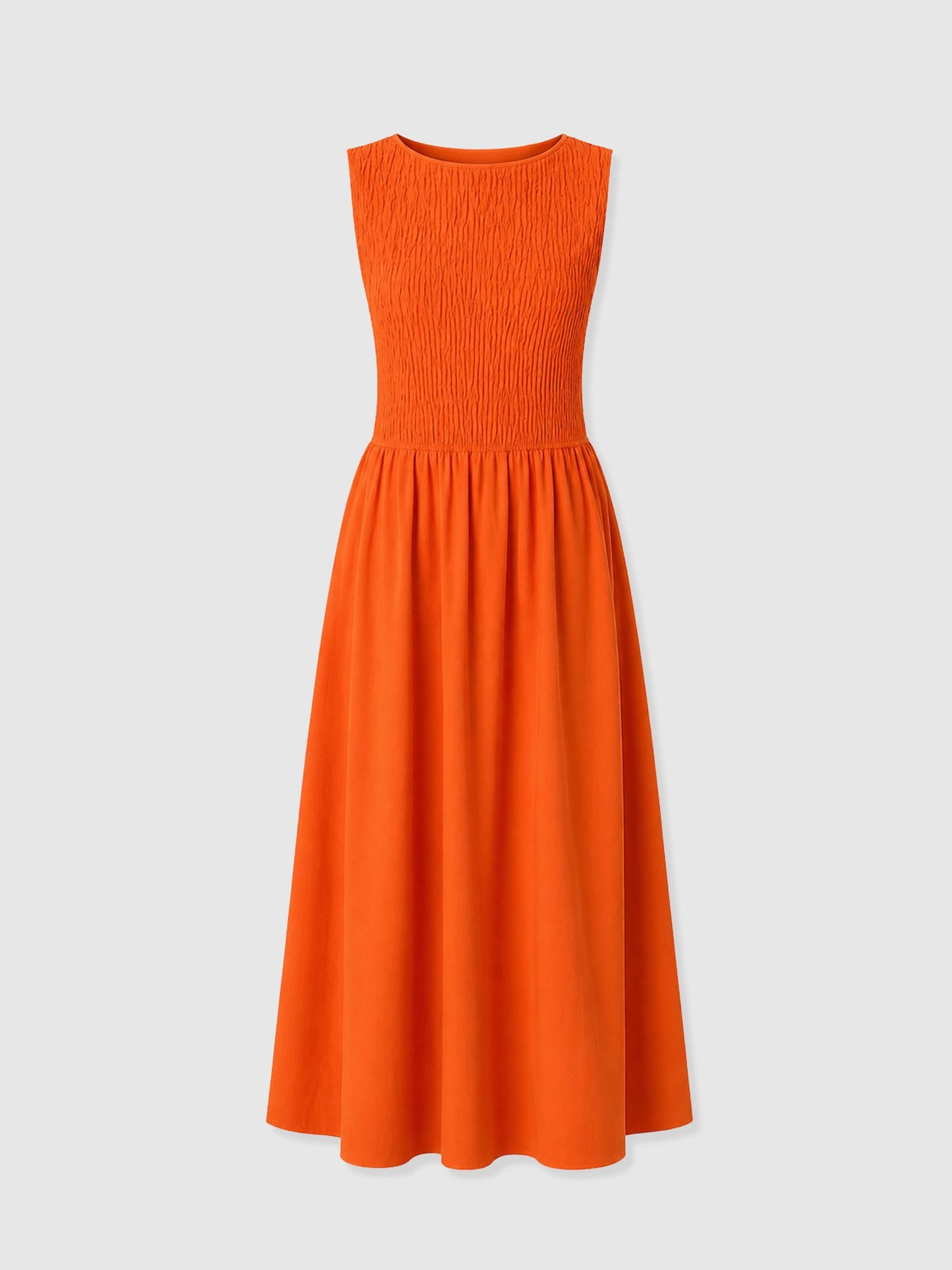
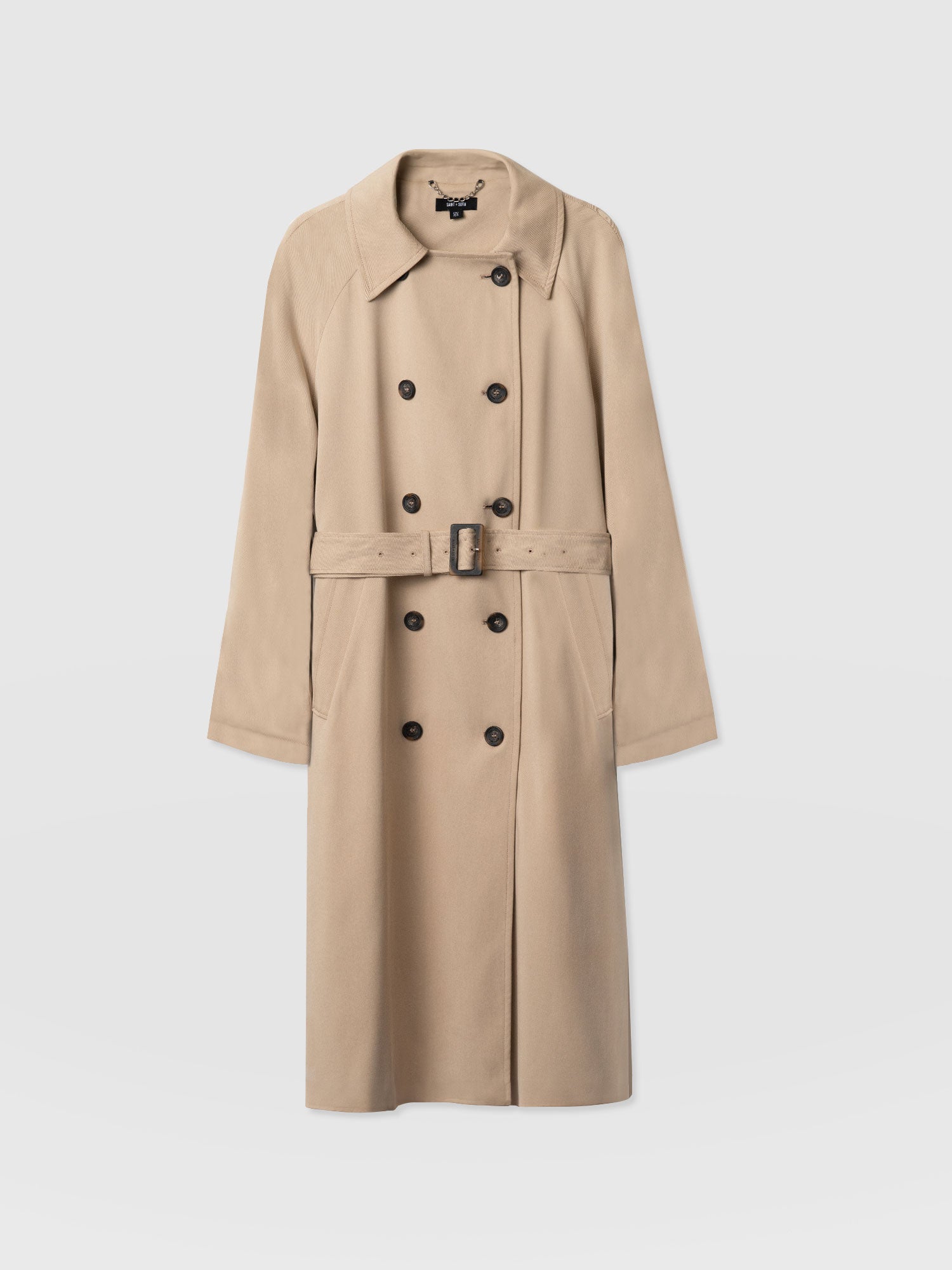
Black and white photography often makes fashion feel more cinematic and emotionally layered. Clothing becomes about texture, tailoring and silhouette rather than simply colour. Soft wool coats, sharp tailoring and flowing dresses all photograph differently in monochrome because fabric and shape become central visual elements.
At Saint and Sofia, black and white imagery occasionally appears throughout campaigns and editorial storytelling because it creates atmosphere and emotional clarity in ways colour alone sometimes cannot. Monochrome visuals often feel quieter, more intimate and more connected to timeless style.
Monochrome Feels Cinematic
Cinema plays a major role in the lasting influence of black and white photography. Classic films created some of the most recognisable visual imagery in modern culture through monochrome cinematography. Deep shadows, dramatic lighting and emotional close-ups became central storytelling tools during the golden age of cinema. That cinematic language still influences contemporary photography heavily.
Even modern fashion campaigns often reference classic film noir, European cinema and documentary photography through monochrome imagery because audiences instinctively associate black and white visuals with atmosphere and narrative depth. Monochrome creates mystery. It leaves space for imagination in ways colour sometimes does not.
Black And White Photography Feels Artistic
Another reason monochrome imagery remains so influential is because audiences often associate it with artistry and intentionality.
Black and white photography rarely feels accidental. Choosing monochrome immediately suggests a deliberate visual decision focused on mood, composition and storytelling rather than simple realism. This artistic quality makes monochrome especially effective within editorial and cultural photography. The absence of colour encourages viewers to engage more actively with shape, contrast and emotion. Images feel interpretive rather than purely documentary.
As a result, black and white photography often creates stronger emotional memory than highly detailed colour imagery.
Visual Storytelling Through Light And Shadow
Black and white photography relies heavily on contrast and lighting to create emotion. Light becomes architecture inside the image itself. Shadows define atmosphere. Texture and movement feel heightened because tonal variation replaces colour variation entirely.
This creates extraordinary opportunities for visual storytelling. Photographers often use monochrome to emphasise vulnerability, elegance, tension or intimacy because black and white imagery naturally strips scenes down to emotional essentials.
Portraits especially benefit from this clarity. Expressions feel sharper and more psychologically present without colour softening or distracting from facial detail.
Why Monochrome Still Feels Modern
Despite its long history, black and white photography continues feeling contemporary because minimalism and emotional simplicity remain visually powerful. In today’s world of constant digital stimulation, monochrome imagery often feels calm and intentional by comparison. It cuts through visual noise.
This partly explains why younger photographers continue embracing black and white photography across fashion, publishing and social media. Monochrome images create atmosphere instantly while standing apart from the endless saturation of digital culture. Black and white photography feels slower, quieter and more thoughtful.
Documentary Photography And Truth
Monochrome imagery also carries strong associations with documentary photography and realism. Many of history’s most powerful documentary images were captured in black and white, shaping how audiences emotionally understand memory, history and truth itself. Even today, monochrome imagery often feels more emotionally credible because of those historical associations.
This emotional weight gives black and white photography unusual cultural power. The format feels connected to memory and permanence in ways colour photography sometimes does not.
Why Black And White Photography Endures
Ultimately, black and white photography never dates because it focuses on the fundamentals of visual storytelling itself. Emotion. Composition. Light. Texture. Atmosphere. These elements remain timeless regardless of technology or changing trends. While colour trends evolve constantly, monochrome imagery continues communicating directly through mood and simplicity.
Fashion, cinema and contemporary art repeatedly return to black and white because it creates emotional clarity that still feels impossible to replicate fully through other visual styles.
In many ways, monochrome photography reminds audiences that powerful imagery does not depend on complexity or excess. Sometimes, removing colour allows emotion to become even more visible.