
the newRomanticism In Fashion And Art
Published 19th July 2024 | London, England
Fashion is becoming emotional again.
After years dominated by minimalism, quiet luxury and highly controlled aesthetics, a softer and more expressive mood is emerging across fashion, photography and contemporary art. Texture is returning. Silhouettes feel more fluid. Colour palettes are becoming richer and warmer. Fashion imagery looks cinematic and atmospheric rather than clinically polished.
Across creative industries, there is a growing appetite for beauty, emotion and imagination.
This movement has become a new form of romanticism. Not romanticism in the traditional historical sense alone, but a contemporary creative mood shaped by emotion, nostalgia, softness and artistic expression. Fashion and art are reconnecting through storytelling, movement and atmosphere in ways that feel deeply human after years of digital perfection and algorithmic sameness.
The result is a cultural shift that feels both modern and timeless simultaneously.
Romanticism Has Always Returned During Times Of Change
Historically, romantic movements often emerge during periods of cultural uncertainty or technological transformation.
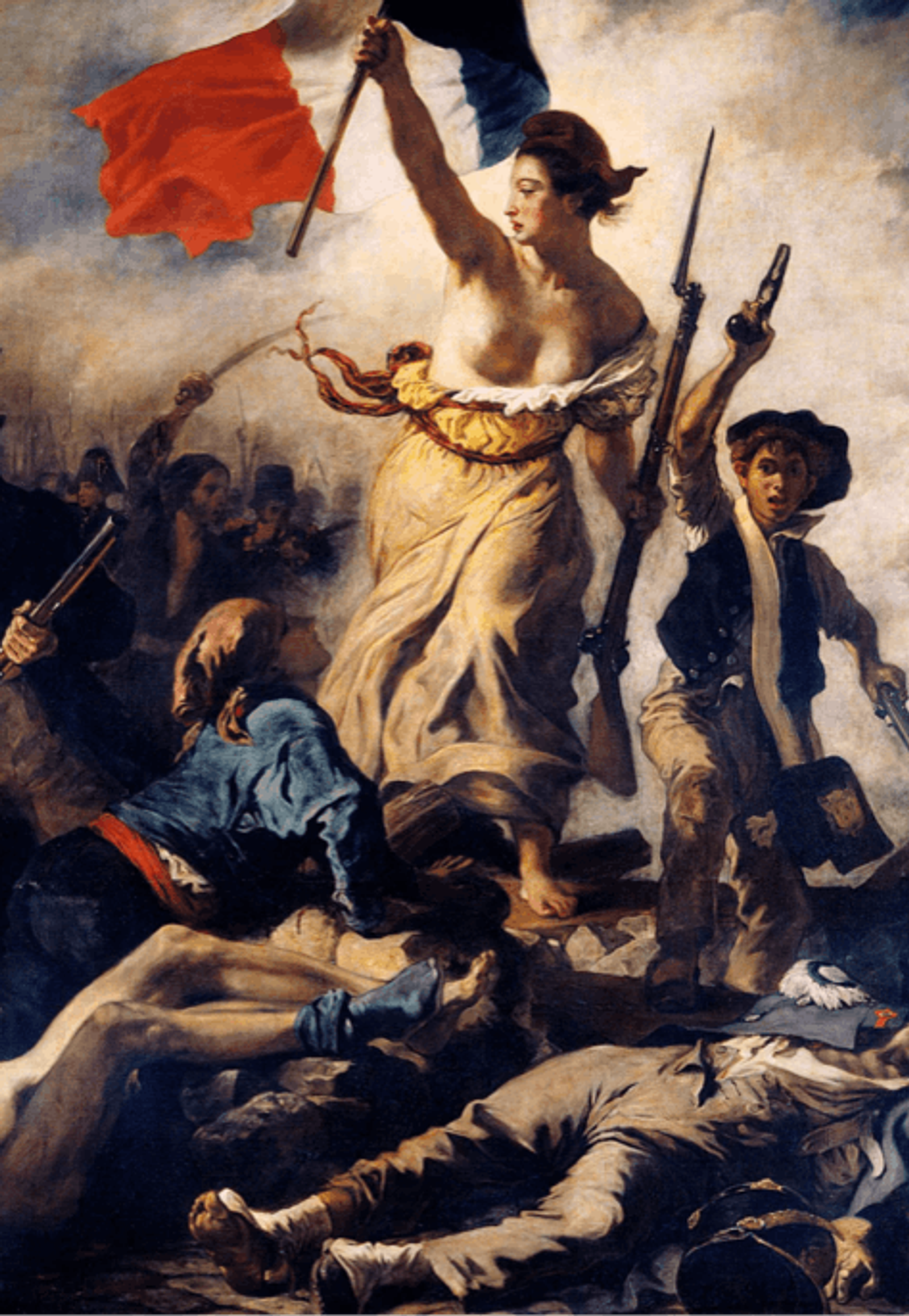
The original Romantic era in art and literature developed partly as a reaction against industrialisation and rationalism. Artists and writers turned towards emotion, imagination, nature and beauty as forms of escape and emotional connection.
Today’s creative landscape feels surprisingly similar in some ways.
Modern life is increasingly shaped by screens, algorithms, speed and digital overload. Fashion trends move instantly across social media. Images are endlessly optimised and consumed rapidly. Perfection became highly visible but emotionally exhausting.
The new romanticism feels like a response to that environment.
Consumers increasingly crave atmosphere, texture and emotional storytelling rather than endless visual efficiency. Fashion and art are becoming softer because people themselves are searching for emotional depth and creative escapism again.
Fashion Is Moving Away From Perfection
One of the clearest signs of this shift is the changing mood of fashion imagery itself.
For years, campaigns often focused heavily on minimalism and polished precision. Photography felt highly controlled. Styling appeared almost architectural. Neutral palettes dominated. Luxury communicated itself through restraint and distance.
Now the mood feels warmer.
Fashion photography increasingly embraces movement, grain, soft lighting and emotional atmosphere. Campaigns feel cinematic rather than purely commercial. Models appear less rigidly styled and more emotionally present within images.
Imperfection has become appealing again.
This softer visual language reflects a wider rejection of overly polished digital aesthetics. Consumers increasingly respond to imagery that feels emotionally textured rather than sterile.
Romantic Fashion Trends Are Returning
The rise of romantic fashion trends can also be seen directly on runways and within contemporary wardrobes.
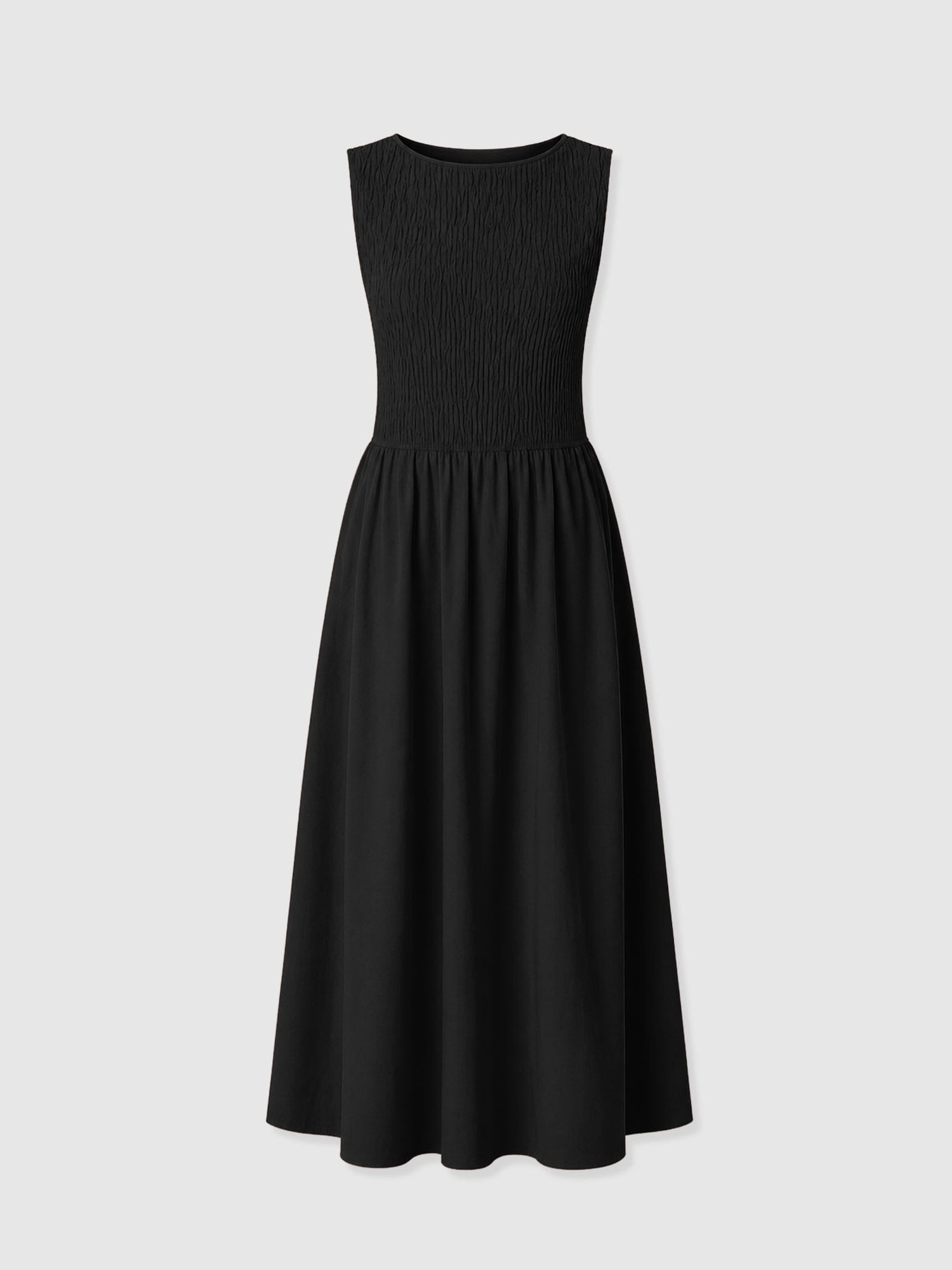
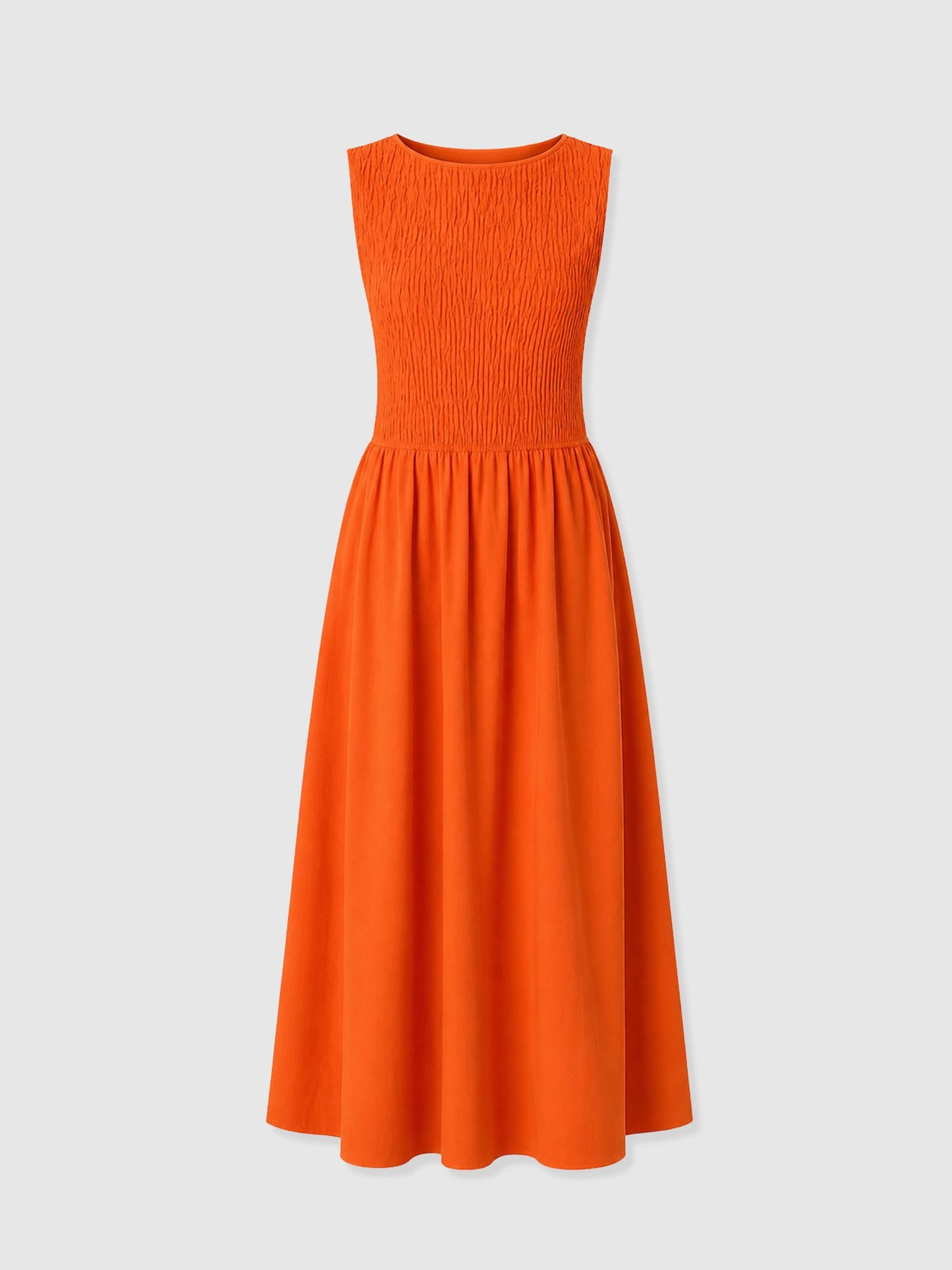
Fluid dresses, sheer fabrics, lace details, soft tailoring and tactile textures are all becoming increasingly important. Silhouettes feel more expressive and less rigid than the sharp minimalism dominating previous years.
Importantly, modern romantic dressing does not feel overly theatrical or nostalgic. Instead, it combines softness with contemporary practicality.
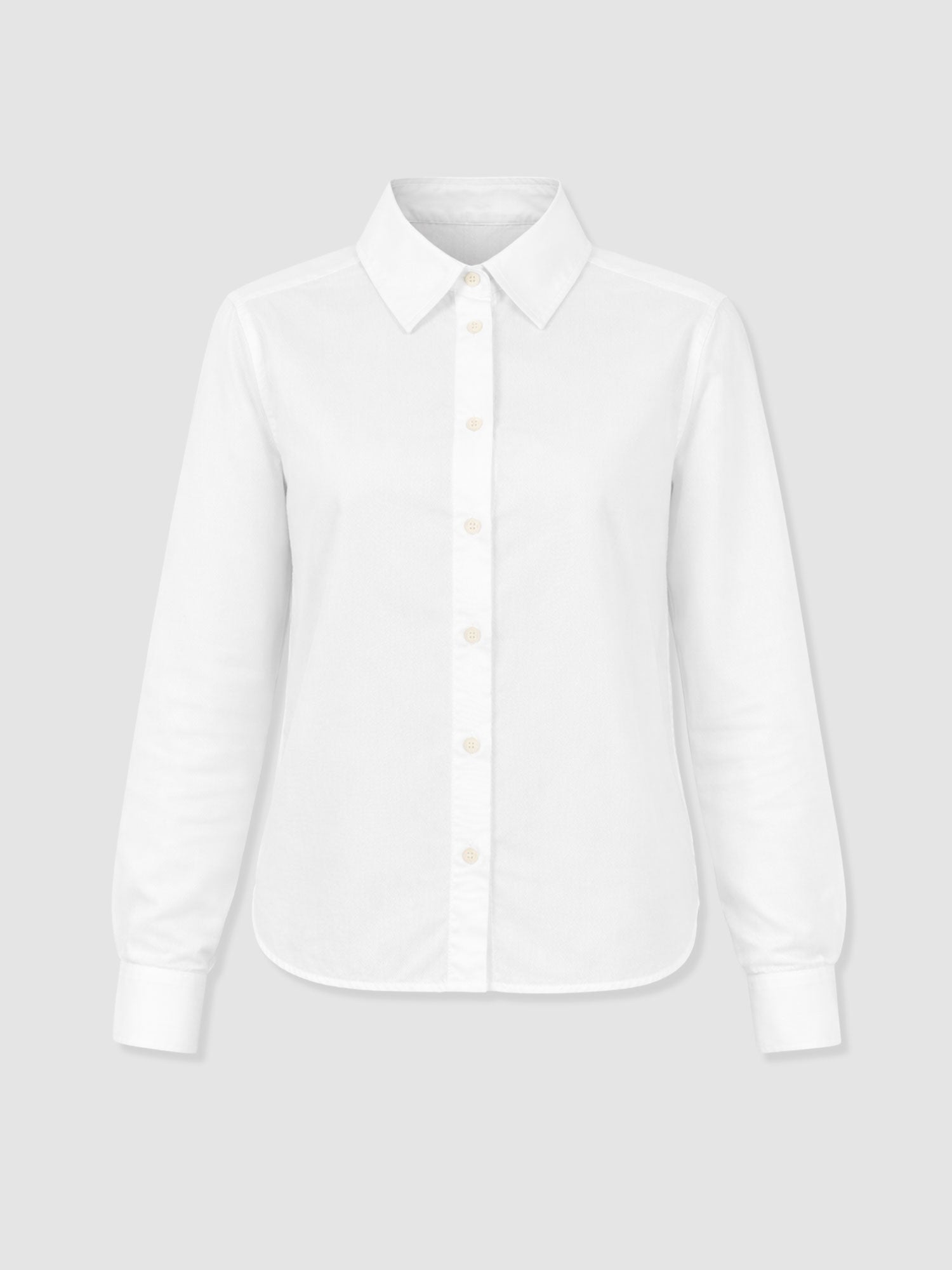
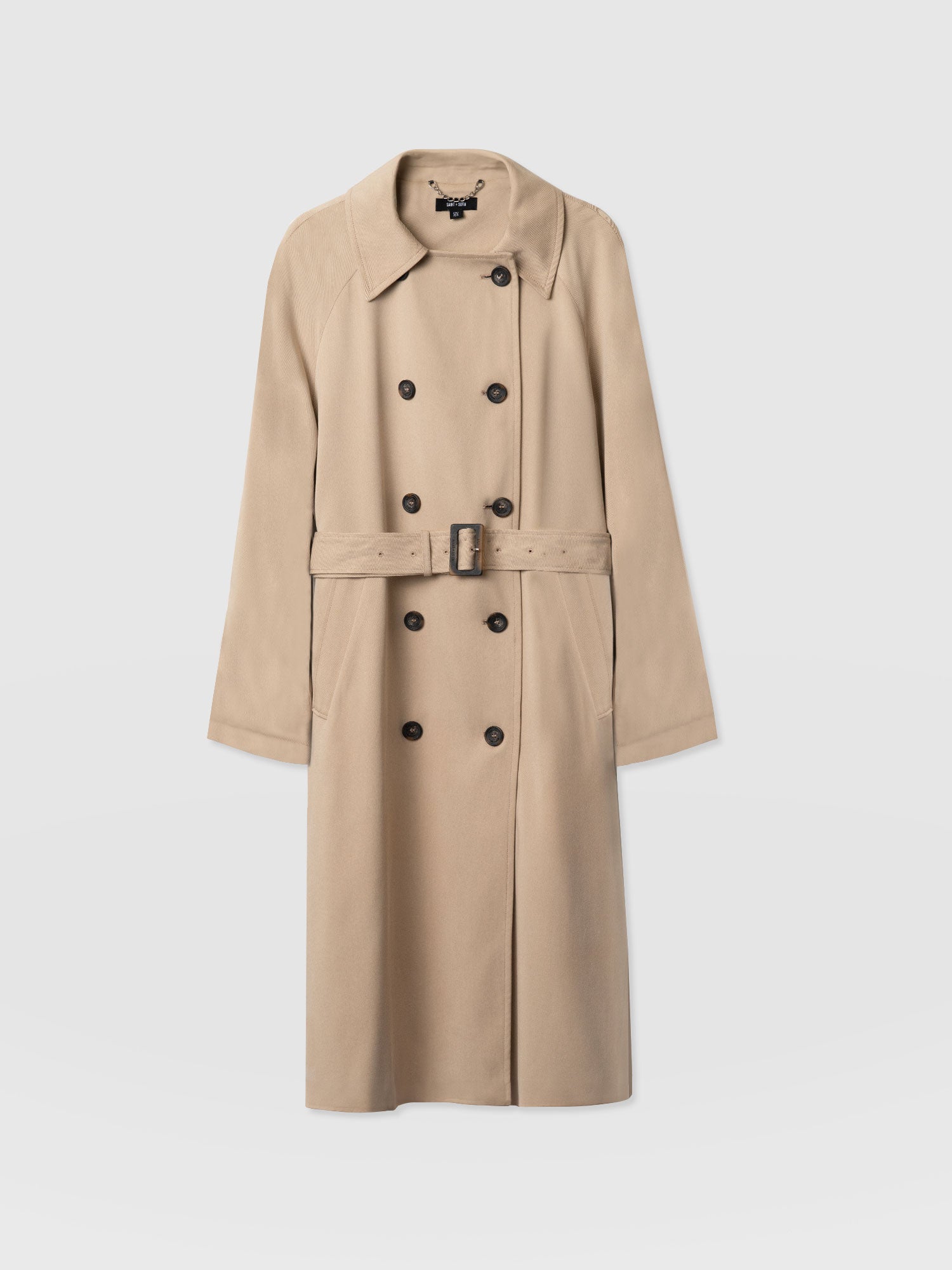
Relaxed tailoring sits beside flowing fabrics. Structured outerwear balances delicate textures. Romanticism now appears through mood and atmosphere rather than costume-like styling.
This balance makes the movement feel highly wearable.
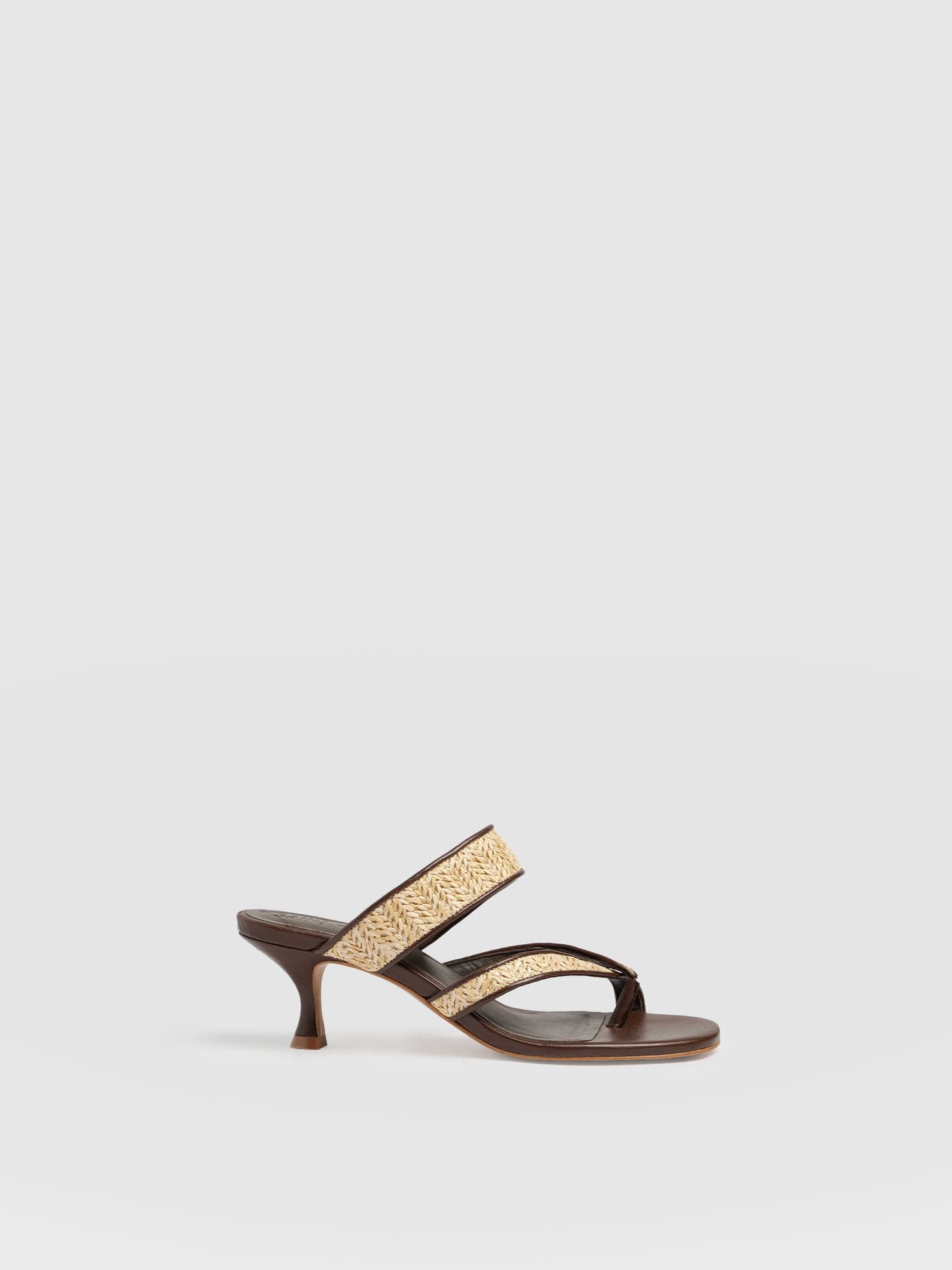
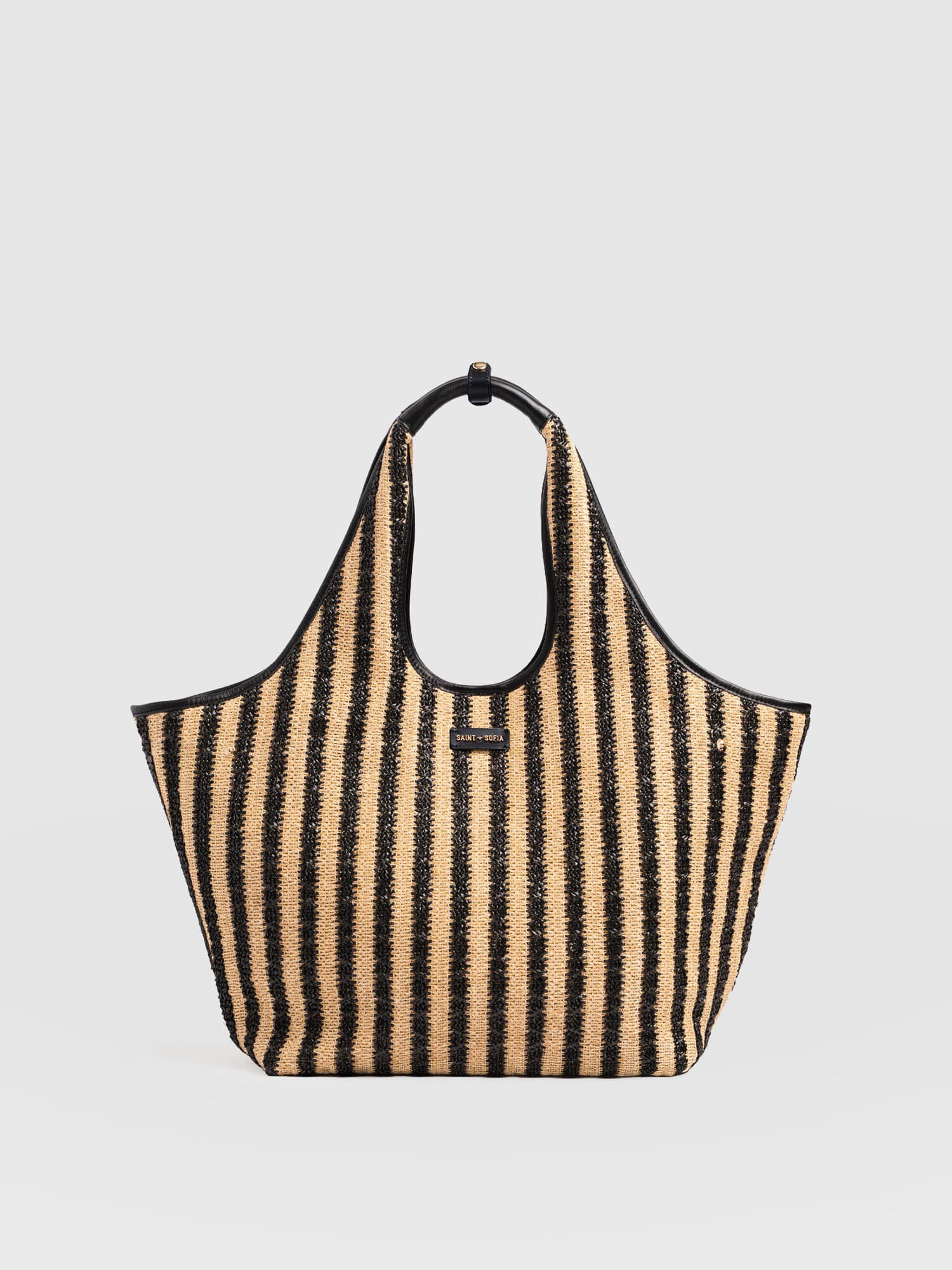
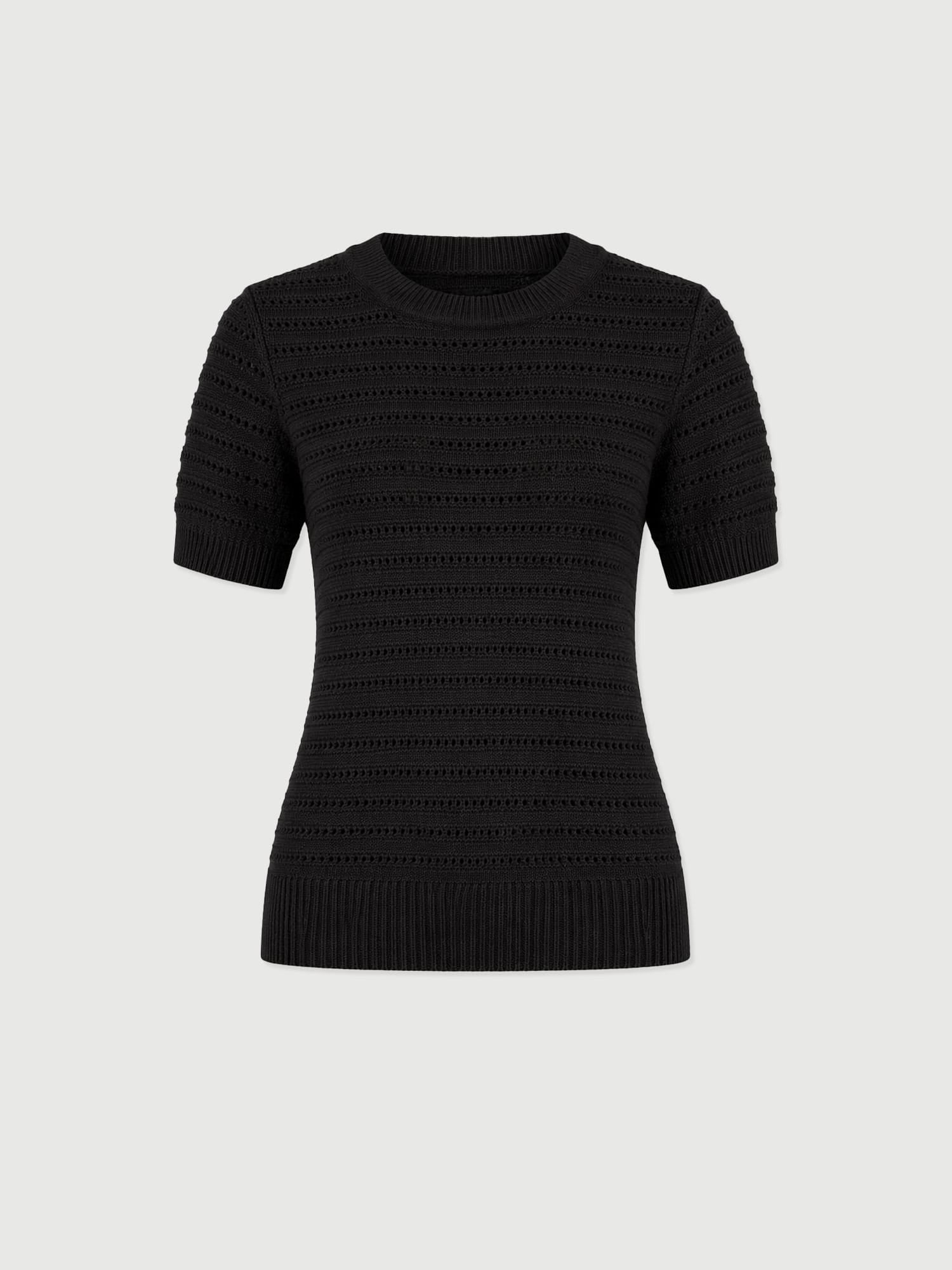
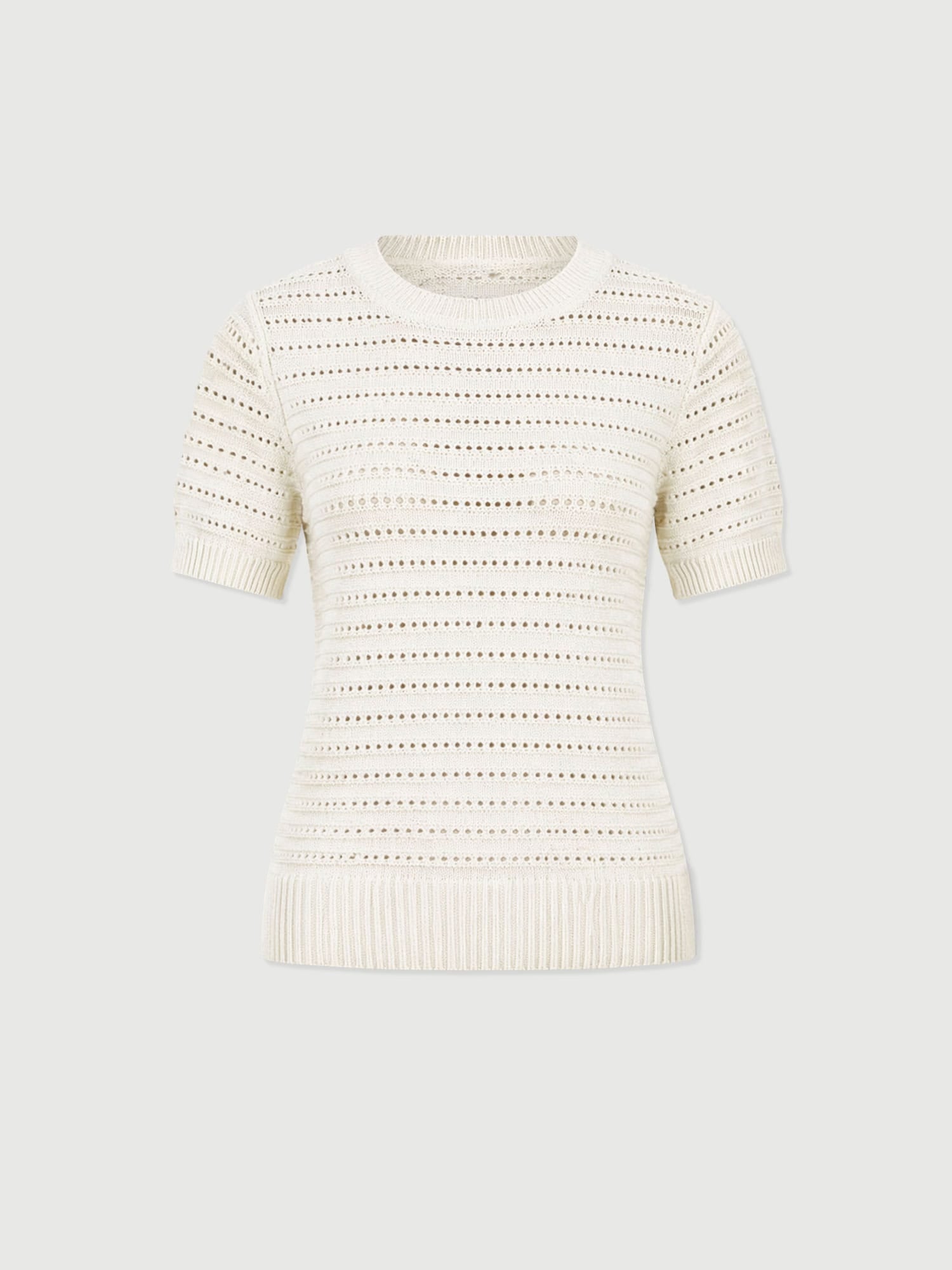
At Saint and Sofia, elements of this softer romanticism appear through fluid dresses, textured knitwear and elegant tailoring designed to feel modern, feminine and emotionally wearable rather than overly formal.
Art Inspired Fashion Feels More Important Again
Fashion’s relationship with contemporary art also feels stronger right now.
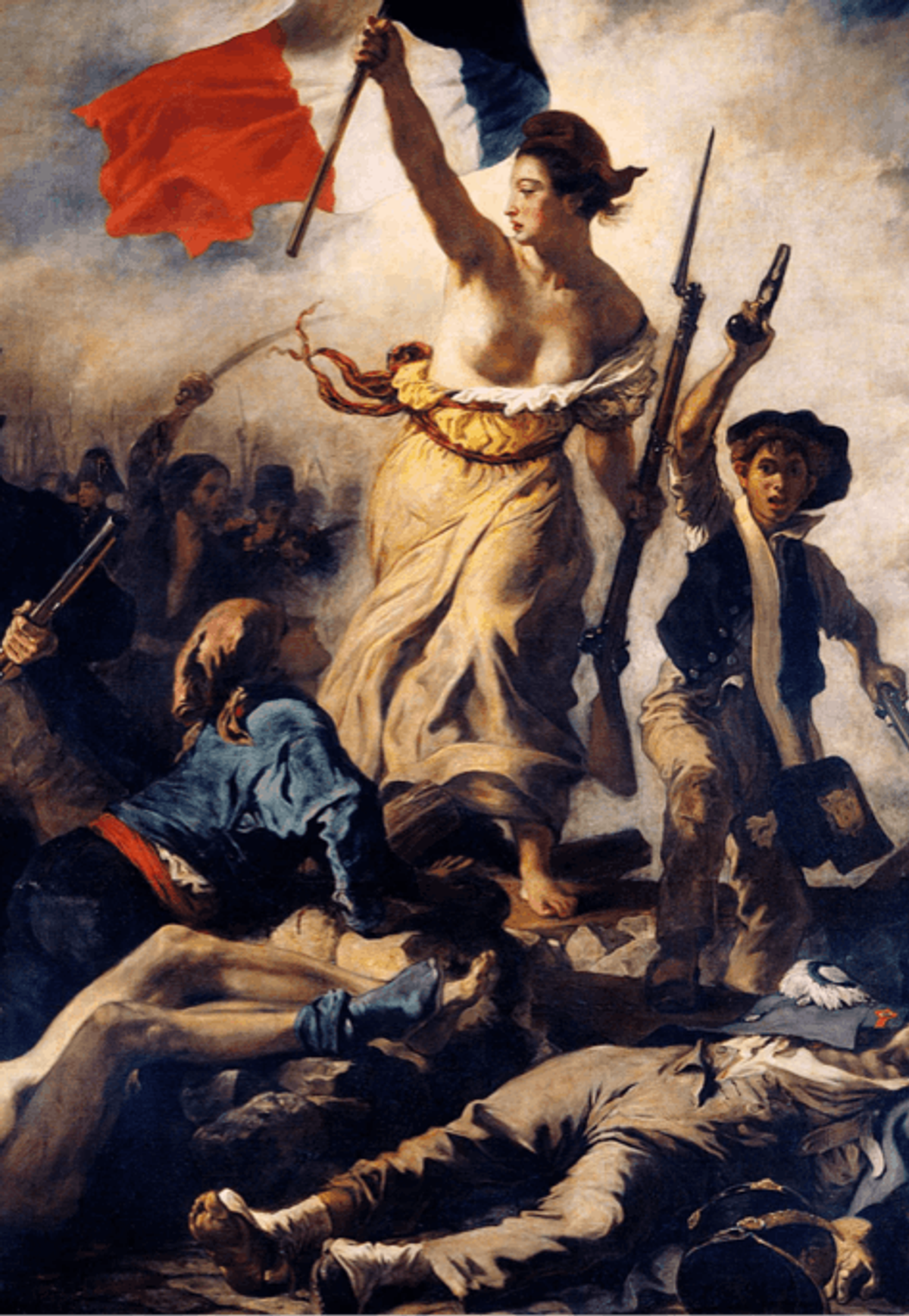
Designers increasingly reference painting, sculpture, theatre and cinema through collections and campaigns that prioritise emotion and storytelling over trend visibility alone. Colour palettes feel painterly. Fabrics move like brushstrokes. Styling often references historical art movements while remaining contemporary.
Art inspired fashion resonates because it introduces imagination and individuality back into dressing.
Consumers increasingly want clothing that feels emotionally expressive rather than purely functional or trend-driven. Artistic references create atmosphere and identity in ways highly minimal fashion sometimes struggles to achieve.
The connection between fashion and art becomes especially powerful during periods when audiences crave creativity and emotional escape.
Softness Became A Cultural Mood
The rise of romanticism is also closely connected to the wider cultural shift towards softness happening across fashion, interiors and beauty.
Soft fabrics, warm lighting, tactile materials and emotional storytelling increasingly dominate luxury branding because consumers want comfort and calmness within overstimulated environments.
Romantic fashion trends reflect this same desire emotionally.
Flowing silhouettes, delicate textures and layered styling create movement and softness that feel psychologically reassuring. Clothing becomes less about performance and more about emotional atmosphere.
Even colour palettes reflect this shift. Deep burgundy, dusty rose, soft cream, chocolate brown and faded florals are replacing colder monochrome minimalism with something warmer and more instinctive.
Cinema And Theatre Influence The Movement
The new romanticism also draws heavily from cinema and theatre.
Fashion campaigns increasingly resemble film stills rather than traditional advertising. Lighting feels dramatic. Styling appears narrative-driven. Photography captures emotion rather than simply products.
This cinematic influence creates richer visual worlds around fashion itself.
Designers and photographers increasingly collaborate with filmmakers, theatre creatives and musicians because audiences now respond strongly to immersive storytelling and atmosphere.
The influence of costume design and period cinema can also be seen within contemporary fashion. Romantic dressing often references historical silhouettes subtly while translating them into modern wardrobes through softer tailoring and fluid construction.
Vintage Culture Accelerated Romanticism
Vintage fashion has played a major role in accelerating this movement.
Younger consumers increasingly search for clothing with history, texture and emotional personality rather than purely trend-driven newness. Vintage shopping naturally introduces romanticism because older garments often feel more tactile, expressive and imperfect than contemporary mass production.
Lace blouses, suede jackets, silk dresses and worn leather all carry emotional atmosphere through age and texture itself.
This creates wardrobes that feel layered and personal rather than algorithmically styled.
The growing popularity of vintage culture reflects wider consumer desire for individuality and emotional connection inside fashion.
Why This Movement Feels Different
Romantic movements have appeared repeatedly throughout fashion history, but the current version feels distinct because it exists alongside modern minimalism rather than replacing it completely.
Contemporary romanticism feels quieter and more emotionally intelligent than earlier maximalist eras. The mood is less about excess and more about atmosphere.
People still value wearability, softness and versatility, but they increasingly want those qualities to feel expressive rather than purely functional.
This balance makes the movement feel particularly relevant for contemporary lifestyles.
The Return Of Beauty And Emotion
Ultimately, the rise of the new romanticism reflects something broader happening across culture itself.
After years dominated by speed, digital perfection and aesthetic sameness, people increasingly crave emotion, beauty and imagination again. Fashion and art are responding by becoming softer, richer and more cinematic.
Creativity feels less controlled. Imagery feels more emotional. Clothing feels more personal.
Importantly, this movement does not reject modernity. Instead, it reintroduces feeling into contemporary culture.
Fashion works best when it creates atmosphere, memory and emotional connection rather than simply trend visibility. Romanticism reminds audiences of that truth. And right now, that emotional depth feels more valuable than ever.